YUDA Consulting YUDACONSULTING Book a Consultation
ENTERPRISE AI AND DIGITAL TRANSFORMATION · FROM SEMINAR TO EXECUTION

From one executive seminar to an AI transformation your company can deliver

Once AI starts carrying out tasks, the questions get more concrete: which work suits AI? Which decisions must a person review? And how should processes, roles and accountability be adjusted?

Start with a free 60-minute executive seminar. From AI hardware and open models through to agents and robotics, we connect technical developments to cost, efficiency and management, helping executives understand what Agentic AI can and cannot do, and judge what is worth doing first and what still needs preparation.

After the seminar, you choose the next step:

  • Executive workshop: Work through real business problems, build alignment and set priorities.
  • AI maturity and opportunity assessment: Review data, processes and people to identify the gaps and the conditions for adoption.
  • 90-day transformation project: Focus on one use case and validate the technology, the business value and the ability to scale, stage by stage.
  • Quarterly executive advisory: Keep reviewing outcomes, resources and risk, supporting the management team’s key decisions.

Every stage has defined deliverables and can be closed on its own. Whether to continue is decided by the company, on the validation results and what it actually needs.

Why most AI rollouts stall

The problem is rarely the model. It is that the way the organisation operates never changed with it.

OPERATING MODELSThe same AI, different results — it depends on how the work is organised

From helping individuals finish tasks, to connecting processes across departments, to letting AI carry out work within an authorised scope — the difference lies in how processes, roles and decision-making are adjusted.

Stage oneAI assists individual workMore tools, the same process
  • Work is divided by department, and key decisions are signed off level by level.
  • AI helps with writing, organising and analysis; people connect the work that follows.
Stage twoAI built into the workflowSmoother collaboration and information flow
  • Cross-department teams work toward a shared goal.
  • AI connects data and tasks, cutting duplicated work and hand-off delays.
Stage threePeople working with AI agentsPeople set the goals and the boundaries; AI carries out authorised work
  • AI agents execute, track and report within clearly defined permissions.
  • People review key decisions, handle exceptions and remain accountable for outcomes.
ComparisonAI assists individual workAI built into the workflowPeople working with AI agents
Decision-makingSigned off level by levelDivided and delegated along the processExecuted within the authorised scope; anything beyond it goes to a person
Team structureDepartments split by functionCross-department teamsPeople and AI agents completing work together
Focus for peopleCompleting and checking tasksDesigning and improving processesSetting goals, overseeing outcomes, handling exceptions
What to measureHow much time an individual savesWhether the whole process is faster and more accurateWhether quality, cost and risk stay under control

A company can use different modes for different tasks. Pick one scenario, confirm the results, then decide whether to expand.

This is YUDA’s transformation assessment framework. It does not represent market share and is not a guarantee of results.

Service ladder

Five stages, from understanding AI to putting it to work. Each stage has a clear goal and can be closed on its own; whether you continue is decided by what you need next.

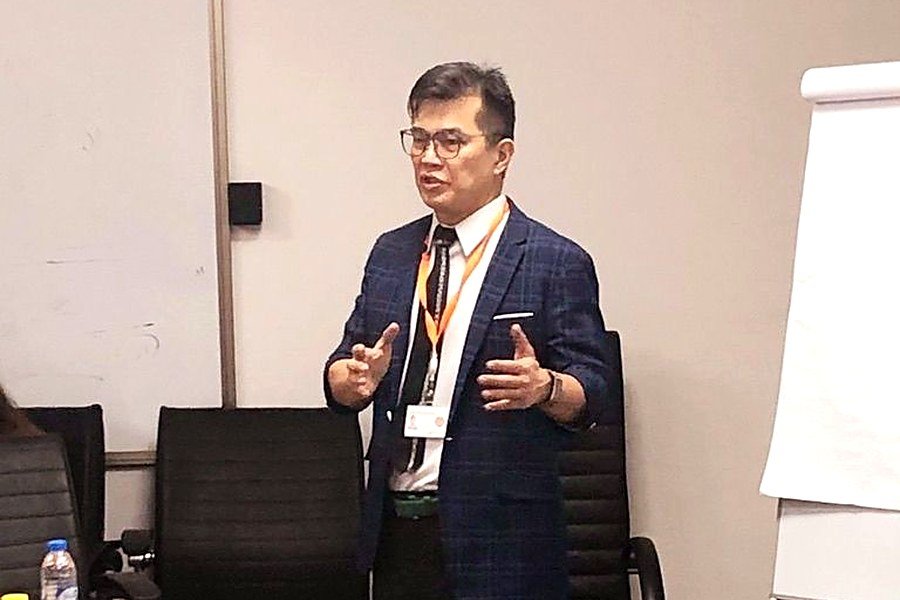
Executive AI briefing in session
STAGE 1 · BUILD A SHARED UNDERSTANDING

Executive AI Seminar

Sixty minutes to help the management team see what AI can and cannot do, and to establish a common basis for discussing transformation.

No speaker fee15–60 attendees recommended · in person or online · Chinese or English

  • Framed around business decisions; no particular tool is promoted.
  • Focused on how Agentic AI affects the division of work, processes and talent development.
  • The seminar can be booked on its own; any further work starts from your side.

Read about the seminar and request a date →

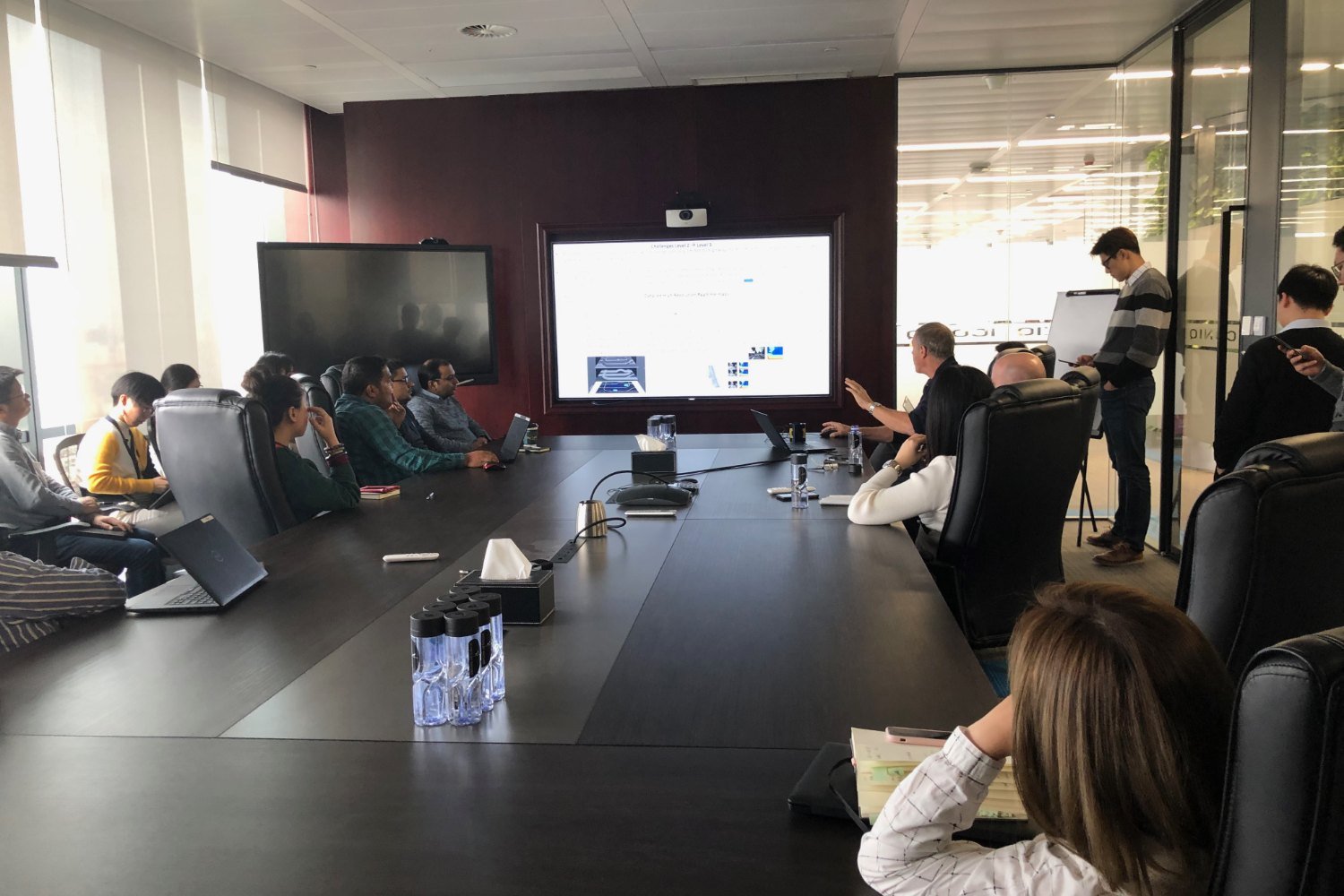
Executive AI workshop in session
STAGE 2 · IDENTIFY THE PRIORITIES

Executive AI Workshop

One to two days, turning the management team’s AI ideas into a prioritised list of actions.

NT$80,000–180,000 per sessionOne or two days · for C-level and business-unit heads, 8–20 people

Executives bring real business problems, map their own processes in groups, and judge together: which areas suit AI? Which prerequisites are not yet in place? Which are worth investing in first?

What you take away

  • An AI opportunity list: organised by department and ranked by expected value and feasibility.
  • Initial execution conditions: the state of the data, open questions, estimated investment and the suggested owner.
  • A one-page summary of the agreed priorities and next steps, ready to present to the board or management.
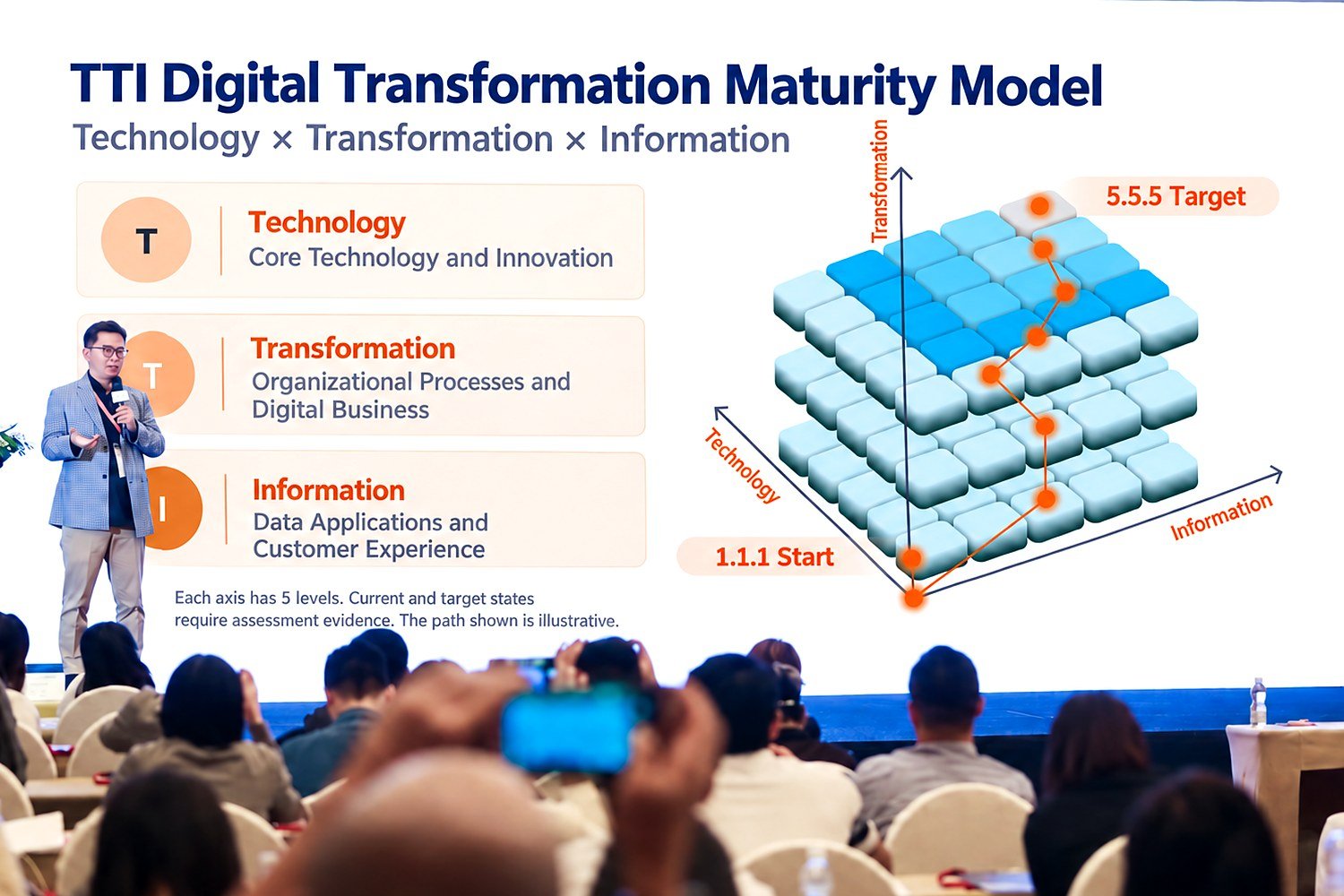
The TTI three-axis digital transformation maturity model
STAGE 3 · SEE THE CURRENT STATE AND THE GAPS

AI Maturity and Opportunity Assessment

Establish what the company can and cannot do today, then decide the direction and the order of investment for AI transformation.

NT$250,000–600,000 per engagement2–4 weeks

The assessment uses the TTI three-axis maturity model, covering Technology, Transformation and Information. Each axis has five levels, and the current state is expressed as a three-digit combination, from 111 to 555.

The framework comes from the method Ellis Wang used as Group CIO of Mashreq Bank when presenting the group’s digital and IT strategy to the board, allowing a management team to examine technical capability, organisational execution and information foundations together.

How it runs

Executive interviews → systems and data inventory → three-axis rating → opportunity and gap analysis → executive presentation

What you take away

  • A maturity assessment report: the three-axis rating, the evidence behind it and the areas needing work.
  • An AI opportunity list: estimated benefit ranges, the assumptions behind them and the prerequisites for execution.
  • A draft 12–24 month roadmap: goals, priorities and measurable outcomes for each phase.
  • An executive presentation summarising the key findings and recommendations, to support resource allocation and the decisions that follow.
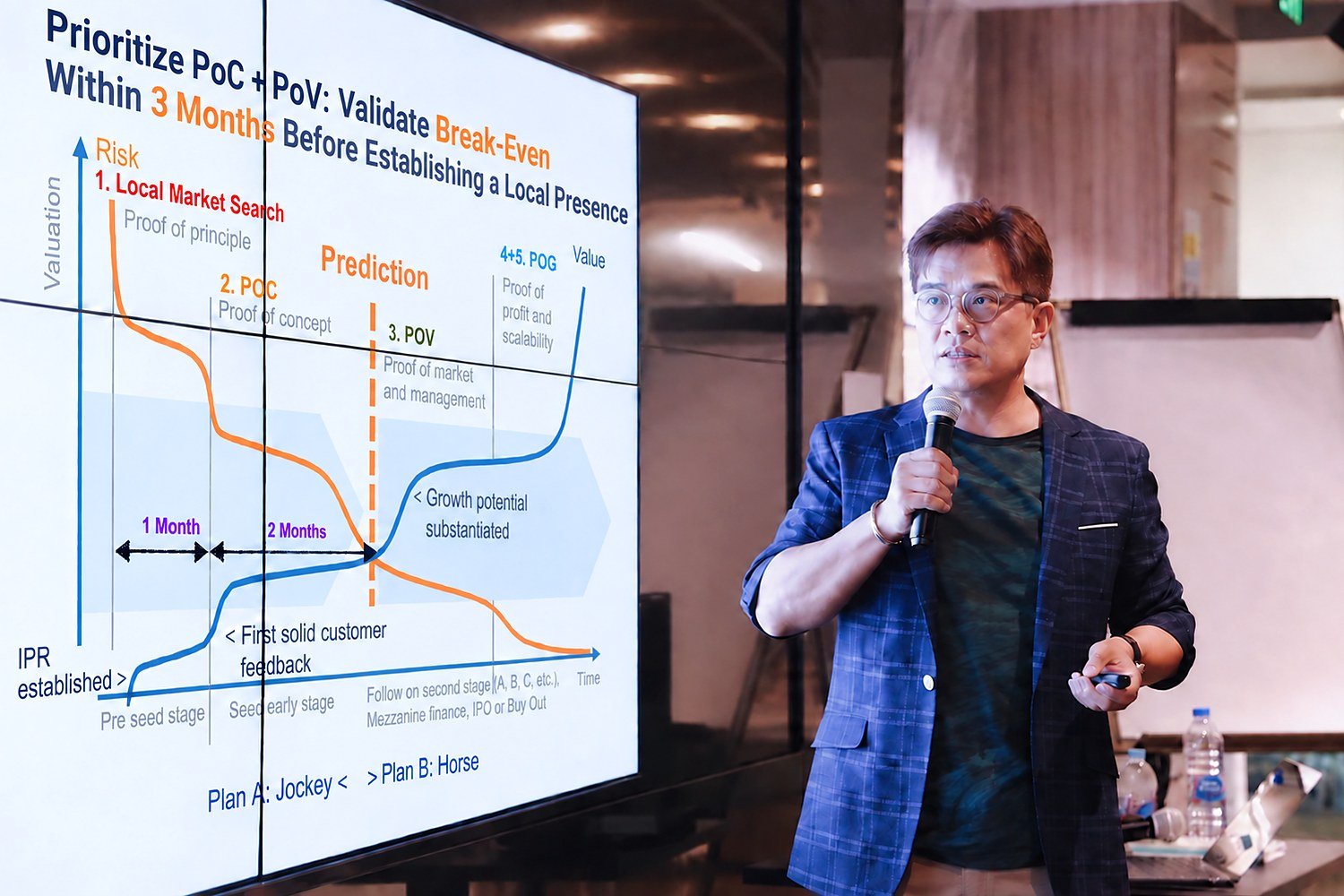
Ellis Wang explaining how the PoC, PoV and PoG gates lower risk and build value
STAGE 4 · PROVE THE VALUE ON ONE PROJECT

90-Day AI Transformation Project

Pick one business problem and validate it in three stages. Within 90 days you see both the results and the limits, and decide whether to invest further or to adjust or stop early.

Quoted by scope after a requirements meetingOne business problem · 90 days

  • PoC | Proof of ConceptCan it be done technically? Are the data and system conditions sufficient?
  • PoV | Proof of ValueDoes it help the business? Measured against metrics agreed in advance.
  • PoG | Proof of GrowthAt larger scale, do quality, unit cost and benefit hold up?

Each stage starts with agreed acceptance criteria and a cost ceiling, and ends with a decision to continue, adjust or stop — so the investment follows the evidence.

What you take away

  • The system or process itself: delivered within the agreed scope once acceptance and go-live conditions are met; if it stops early, you receive the validation record and the reasons.
  • Operational handover documentation: how to run it, how to maintain it, who is responsible and how exceptions are handled.
  • A total cost of ownership (TCO) estimate covering build, use, maintenance and expansion.
  • A recommendation for the next stage: a concrete direction to expand, adjust or stop, based on the actual results.
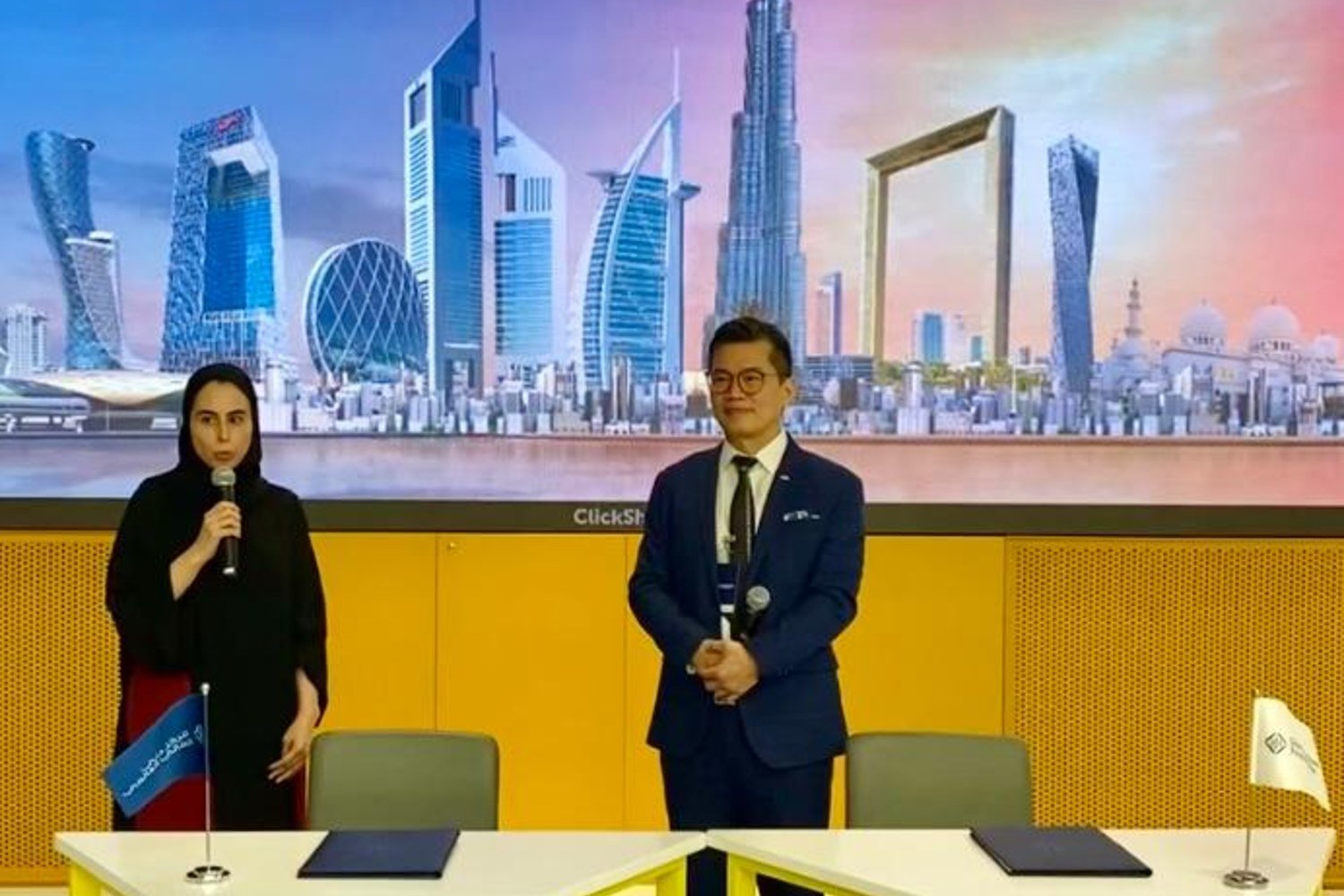
Ellis Wang at a partnership signing in Dubai
STAGE 5 · KEEP THE KEY DECISIONS UNDER REVIEW

Quarterly Executive Advisory

A decision partner for the management team, keeping the direction, investment and risk of AI projects under continuous review.

Quoted by scope after a requirements meetingEngaged by the quarter · three-month minimum

  • A monthly executive meeting: review progress and results, clear obstacles, confirm the next step.
  • A quarterly board-level briefing: benefits, resources committed and principal risks, with recommendations for decision.
  • A second opinion on technology and vendor selection: fit of the solution, integration difficulty and long-term cost.
  • Guidance on building and leading an in-house AI team: staffing needs, role definition and management approach.
  • Email and messaging support during the engagement: on project and strategy questions within the agreed scope.

Suited to companies with AI projects already under way that want continued executive-level advisory support. The advisor helps with judgement and oversight; execution stays with the company and its project team.

Stages 1 to 3 are publicly priced. From stage 4 onward, a 30-minute executive needs meeting comes first to clarify requirements, and a quote follows based on the scope of work, the state of the data and the units involved.

After the seminar, the next step is yours

The seminar is a complete, standalone service. Attending it carries no obligation to work with us further.

If you would like to take the discussion further, we can arrange a 30-minute executive needs meeting. We start by understanding the problems the company faces today, judge where AI can actually help, and then suggest a suitable starting point — and “you do not need to adopt it yet” is a legitimate conclusion.

This meeting does not pitch a solution and does not quote on the spot. Afterwards, if both sides think it makes sense to continue, we put forward a service proposal and a quote based on your needs.

Founder & Principal Advisor · Ellis Wang

View Ellis on LinkedIn →
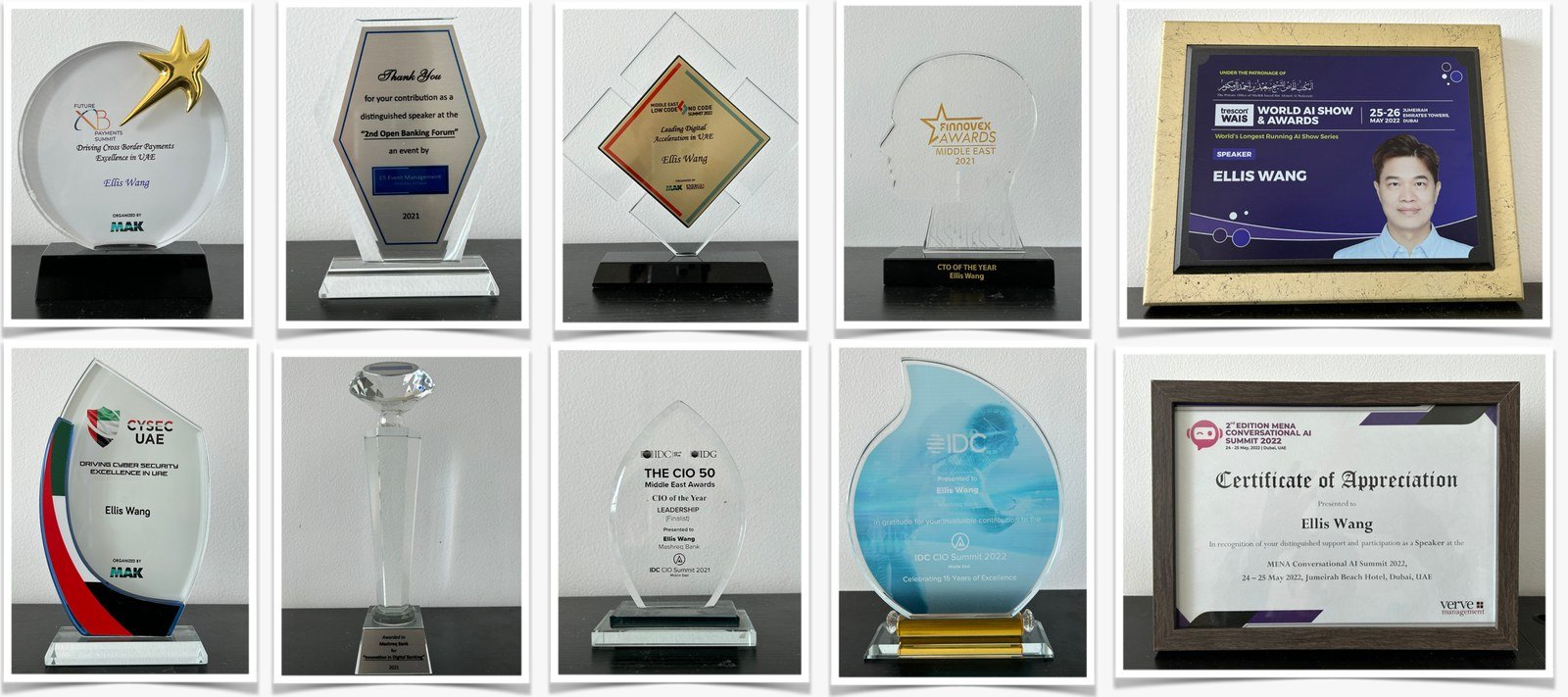
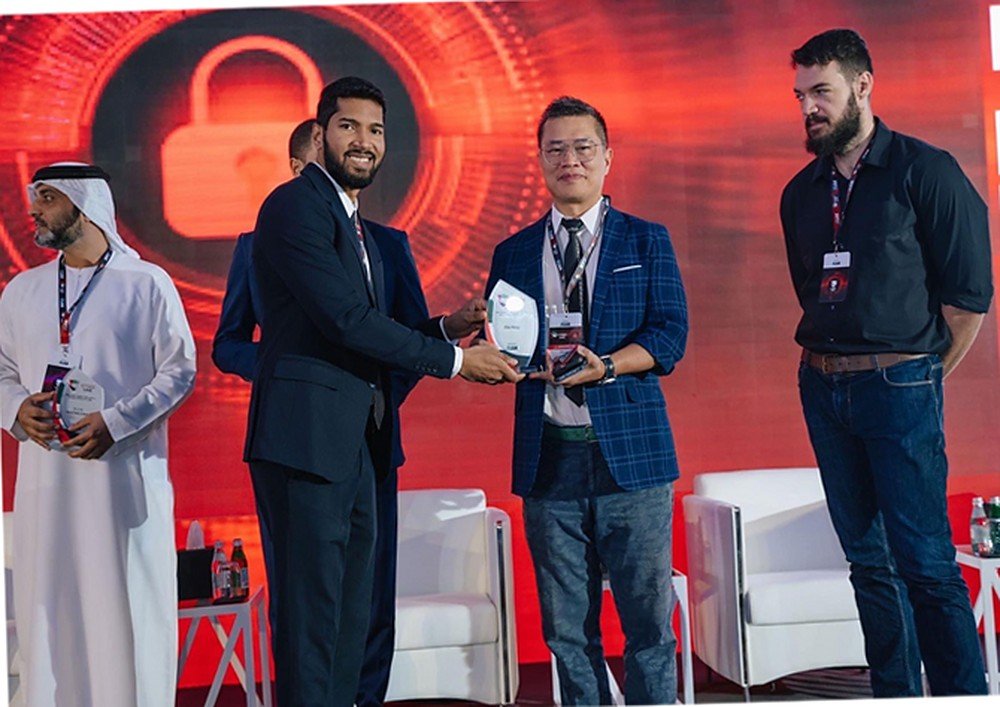
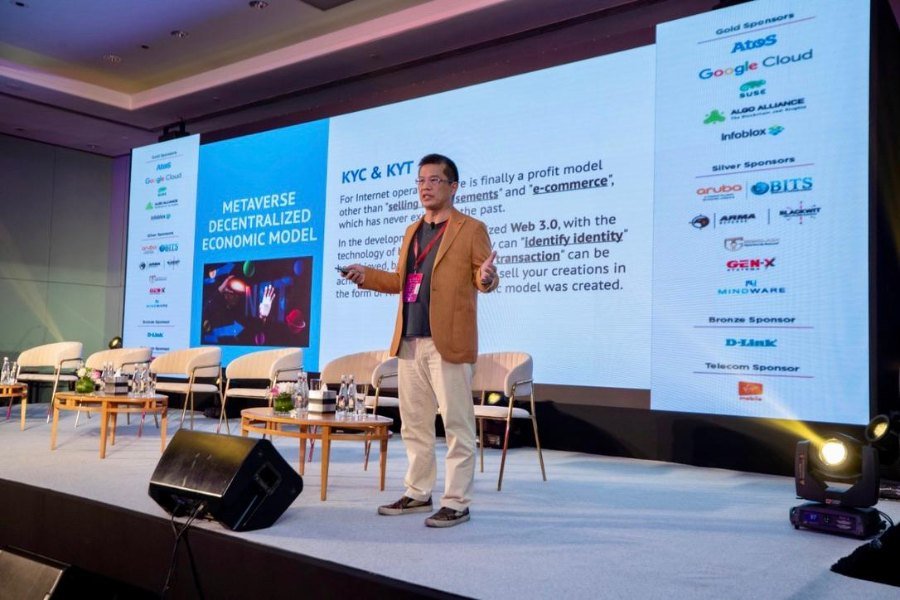
Award plaques and certificates received by Ellis Wang in the Middle East, 2021–2022 Ellis Wang receiving an award at the World AI Show, Middle East Ellis Wang delivering a keynote at an AI summit in the Middle East

Principal experience

  • Group CIO and Head of Digital Transformation, Mashreq Bank (Dubai) · 2020–2022Responsible for group technology and digital transformation, presenting digital and IT strategy to the board.
  • Board member, private office of Sheikh Saeed Al Maktoum, Dubai · 2022–2023
  • Senior Advisor, McKinsey & Company (Shanghai)
  • Chief Digital Officer, ICONIQ Motors
  • Senior Operations Director, Alibaba.com
  • Product Director, Google (Silicon Valley / Taipei); previously at ASUS.

Awards · 2021–2022

  • 2021 · CTO of the YearFinnovex Awards, Middle East
  • 2021 · Best CTOInternational Finance Awards
  • 2022 · Top 50 Technology Leaders in the Middle EastEngati
  • 2021 · The CIO 50 Middle EastIDC CIO Summit, Middle East Awards

International speaking and contribution

  • 2022 · IDC CIO Summit, Middle EastContribution Award
  • 2022 · World AI Show & Awards, DubaiKeynote speaker, hosted by Trescon
  • 2022 · MENA Conversational AI Summit, DubaiCertificate of appreciation, speaker
  • 2021 · 2nd Open Banking ForumDistinguished speaker
  • 2021 · Future X-Border Payments, Low Code & No Code, CYSEC UAERecognition plaques

The seminar draws on projects delivered first-hand — the problems actually encountered, how the decisions were made and what execution taught us. See past seminars and events →

Let’s work out the next step together

Tell us your company size, the problems you are facing and when you are free to talk. We reply within one business day and help arrange a 30-minute executive needs meeting.

We start by understanding the requirement and judging whether AI can help. This meeting does not pitch a solution and does not quote on the spot.

Book the 30-minute executive meeting → Want the team to understand AI first? You can start with the free 60-minute executive seminar.
FOUR CORE SERVICES

The four can run separately, or be planned together.

Core 1 · Enterprise AI & digital transformation Core 2 · US doctorate while working Core 3 · AI-verified international property Core 4 · Residency pathway assessment