Agentic AI and What Comes Next for Your Organisation
When AI moves from answering to doing, the first thing to change is not the tooling — it is the workflow and who gets to decide.
A seminar built for managers and technical leaders. We turn the AI supply chain — from silicon and open models through to embodied robots — into language a decision-maker can judge and act on. The focus is what Agentic AI actually does to org structure, workflow and career paths, not another tour of a new tool.
Or email elliswang@me.com with your company, the audience and a few workable dates.
Three questions this seminar answers
For most companies the problem is not whether to do AI, but what the organisation looks like afterwards. These are the three questions we are asked most often, in Dubai and in Taiwan.
How is Agentic AI different from what I saw last year?
From a tool that answers once, to an agent that decomposes a task, calls systems, runs and corrects itself. The difference is not a smarter model — it is that the model starts occupying space that used to belong to process and to people.
Which work gets reassigned, and which does not?
Work that can be decomposed, is rule-clear and data-complete goes first. Work that carries accountability, crosses departments or requires judgement under missing information becomes more valuable, not less.
What should my team prepare now?
Not sending everyone on a prompt course. The bottleneck is usually data quality, undocumented process, and who is authorised to accept an AI output as final.
How the 60 minutes are spent
The agenda can be adjusted to your industry and audience. This is the standard version.
Why now
From AI that chats to AI that does: what actually changed this year, and why most rollouts stall in the same place.
The AI supply chain
Silicon, foundation models, open models, the application layer and physical robots. Who earns, who subsidises, and where cost is falling fastest — which tells you whether to buy now or wait.
The three things that really change
Workflow (how tasks get decomposed), org structure (who is accountable for the output), career path (which skills are appreciating). This is the core of the session.
From the field
Middle East financial services and Urban Air Mobility: the hard part is rarely which model you pick — it is how you filter data, design the process, and get data, business rules and model to work together.
Seven questions a decision-maker should ask
A checklist you can use on Monday, before approving any AI project.
Q&A
Open floor. Anything unanswered gets followed up afterwards.
Who it is for
Executives and business unit heads
General managers, division heads, CTOs and technical leaders who have to decide how much to commit, and when, on incomplete information.
HR and L&D
Teams who need an internal session for management that has real content and sells nothing, and that leaves the room with something to discuss.
Chambers, industry bodies and park associations
Organisations whose members are owners and senior managers. Works as a monthly meeting or breakfast keynote.
What this seminar is not
Setting the boundary up front makes it easier to justify internally.
- Not a product launch. Nothing from YUDA is demonstrated or sold at any point.
- No pitching of specific AI tools, models or cloud services. Where a product is named, its limits are named with it.
- Not a degree recruitment talk. Doctoral study has its own separate sessions.
- No property, no residency planning. Those are other parts of the business and have nothing to do with this seminar.
- We do not collect the attendee list and we do not follow up with sales calls.
Speaker
Ellis Wang
Founder, YUDA Consulting
Golden Gate University
DBA in Generative AI, in progress
- Over 30 years in digital transformation across information systems, financial technology and cross-border operations.
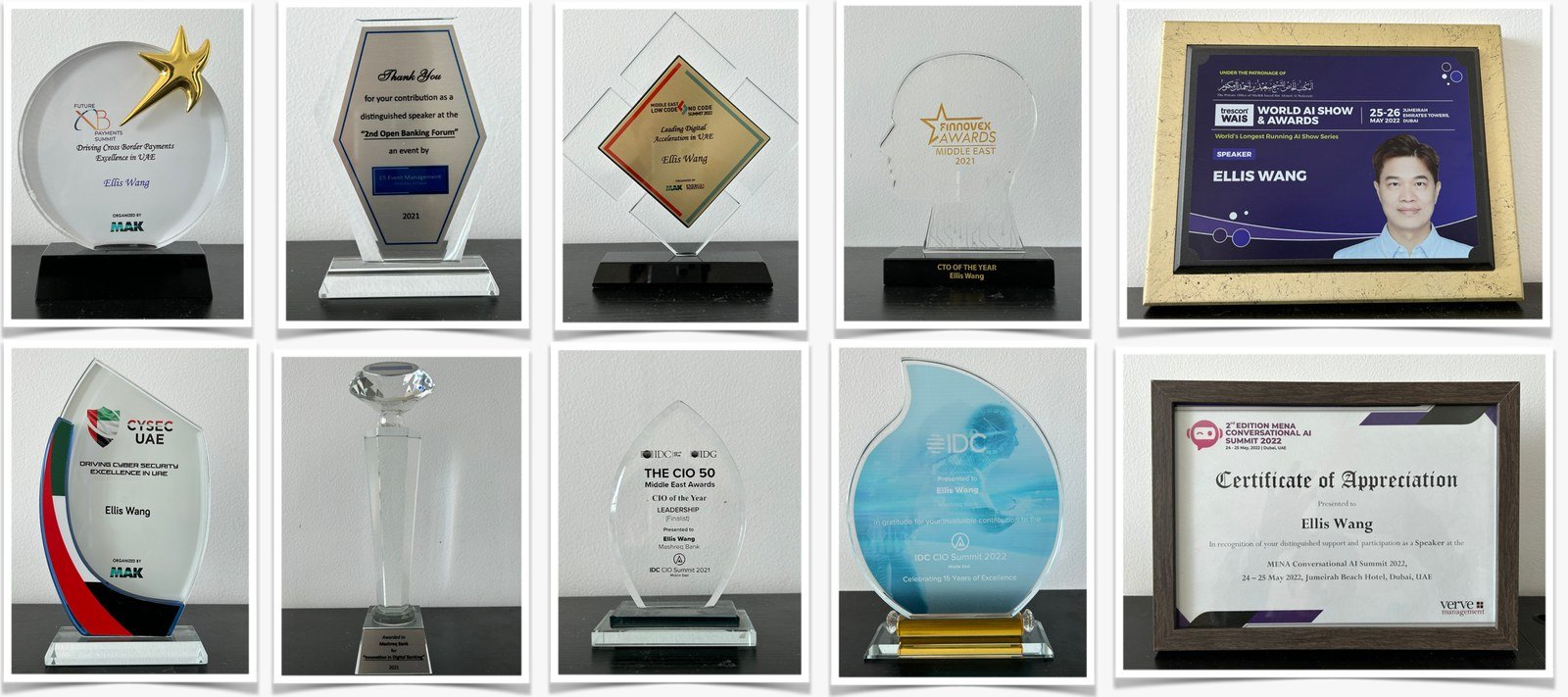
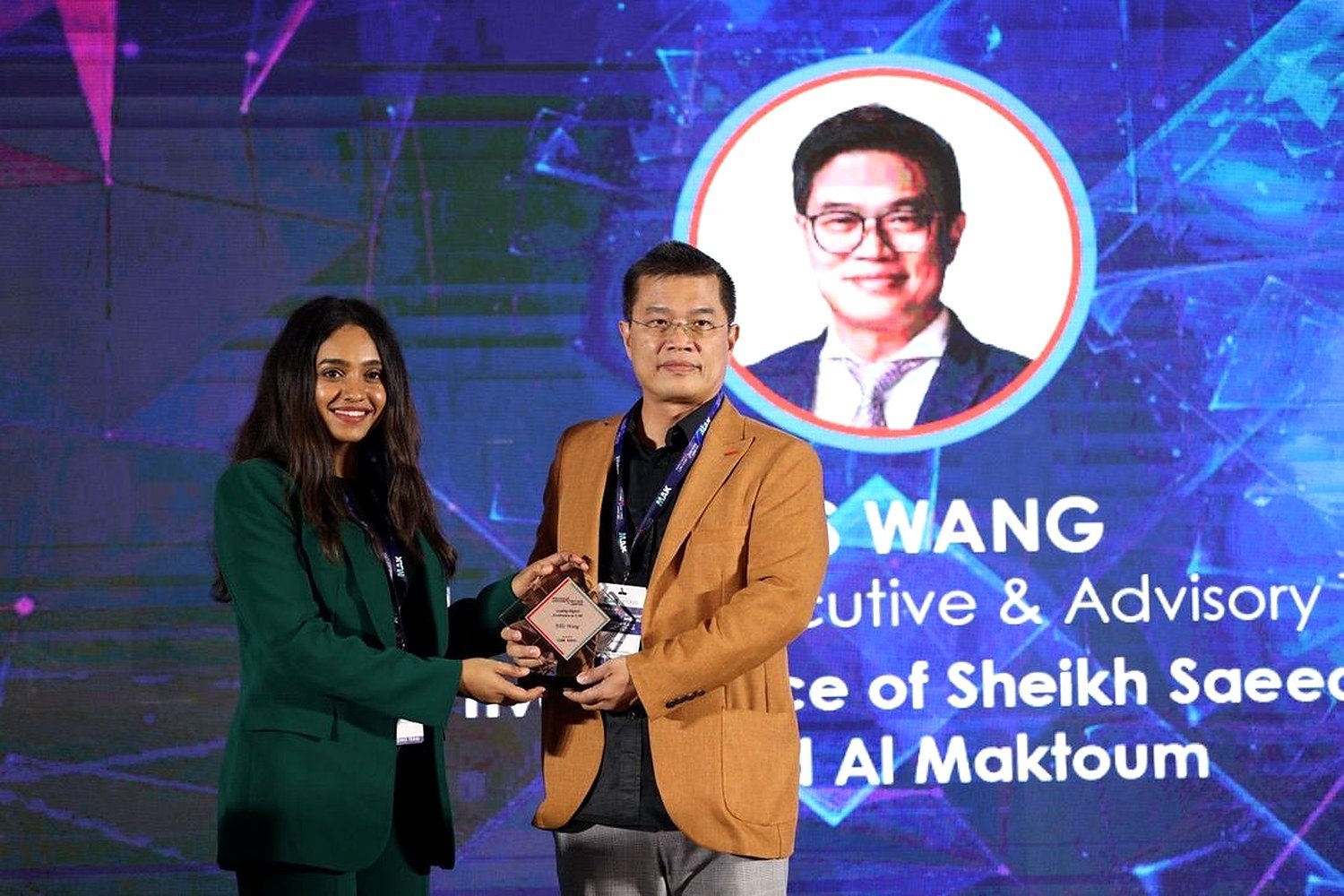
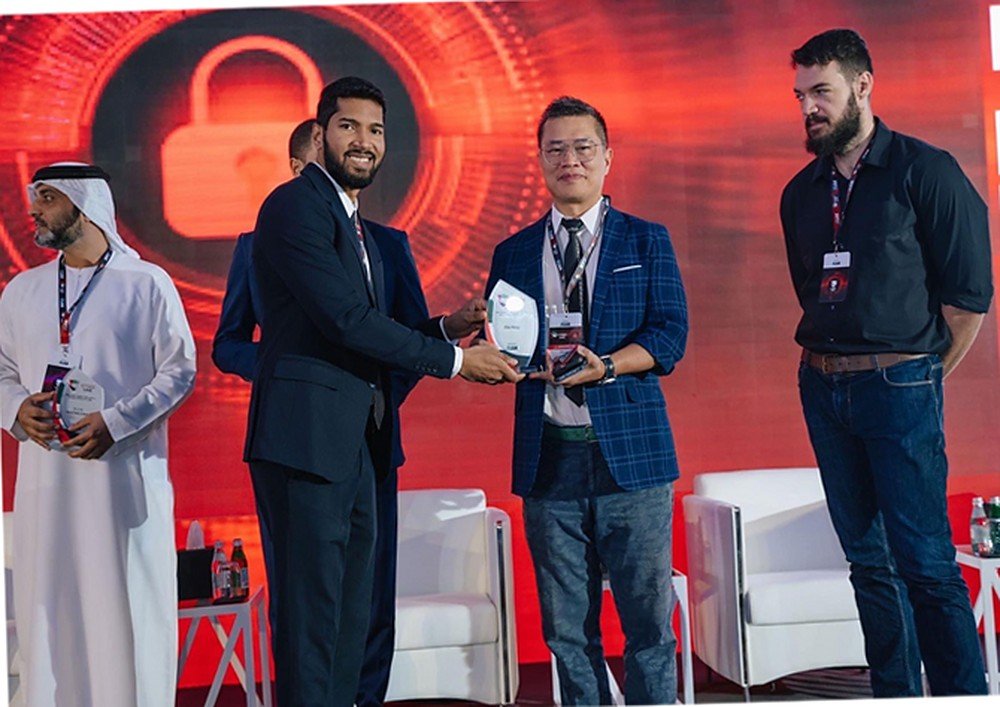
- Speaks and advises in Dubai on artificial intelligence, finance and urban transport, including how Agentic AI changes Urban Air Mobility.
- Worked with Middle East financial institutions and the Dubai International Financial Centre (DIFC) on an AI competition, contributing to problem design, dataset planning and the judging framework.
- Researching the GGU DBA in Generative AI, combining research method with long industry experience to test where AI holds up in real commercial settings.
Everything in the seminar comes from work actually done, not from a secondhand industry report. See the record of past sessions →
Format and logistics
After the seminar
The seminar stands on its own. If someone wants to go further afterwards, YUDA's three core services can be booked individually as a 1-on-1 — by the attendee, on their own initiative. We do not reach out.
Want to arrange one?
Tell us the company, the audience and a few workable dates. We reply within one business day, with an agenda you can forward internally.
Send an invitation Or email elliswang@me.com · you can also open the one-page brief and print or save it as a PDF to forward.